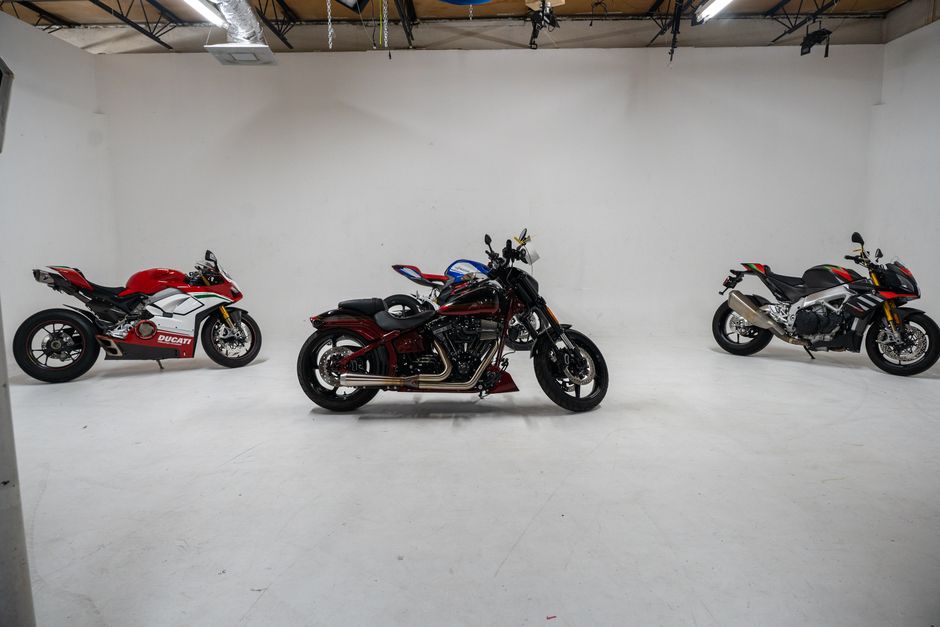
2024 Motorcycle Model Comparison Sport vs Cruiser
When considering a new motorcycle, the choice between a sport bike and a cruiser often comes down to how and where the rider intends to use the machine. In the 2024 model year, both categories continue to offer distinct characteristics that appeal to different preferences and riding environments. This comparison examines the typical traits of a modern sport bike and a contemporary cruiser, focusing on engine performance, rider comfort, and pricing. The goal is to present the differences in a way that helps riders understand which type might align more closely with their own priorities, without suggesting that one is inherently superior to the other.
Motorcycles in the sport category are generally designed with a focus on agility, high-revving power delivery, and a riding position that prioritizes aerodynamics. Cruisers, on the other hand, tend to emphasize low-end torque, a relaxed seating posture, and a styling that evokes classic American motorcycling heritage. Both categories have evolved significantly in the 2024 lineup, incorporating modern electronics, refined suspension components, and updated engine management systems. The following sections break down the key areas of difference to provide a clearer picture of what each type offers.
It is important to note that individual models within each category vary widely. The comparisons below are based on general trends observed across popular 2024 offerings, and actual specifications will differ between manufacturers and specific trims. Riders are encouraged to test several models to evaluate how these characteristics feel in practice.
Engine Power and Performance Characteristics
The engine architecture of a sport bike typically favors a high-compression, short-stroke configuration that produces peak horsepower at elevated rpm levels. In the 2024 sport models, many manufacturers have refined parallel-twin and inline-four engines to deliver smooth power curves while maintaining the responsive throttle feel that riders in this segment expect. The power band tends to be narrower, with the most usable output concentrated in the upper third of the tachometer. This setup works well on racetracks and winding roads where sustained high revs are common.
Cruiser engines, by contrast, are usually designed for low-end torque and a relaxed cadence. V-twin configurations remain widely used, and 2024 examples often feature increased displacement to provide strong pulling power from idle to midrange. The torque curve is relatively flat, meaning the rider does not need to shift frequently to maintain momentum. This characteristic makes cruisers feel effortless during highway cruising or when carrying a passenger. The trade-off is a lower maximum horsepower figure compared to a sport bike of similar displacement, but the real-world usability in everyday riding conditions can be quite different.
Another factor is the transmission and final drive. Sport bikes often employ close-ratio gearboxes with a quick-shifter as either standard or optional equipment, allowing rapid upshifts without clutch use. Cruisers tend to have wider gear spacing and may rely on belt or shaft final drives, which require less maintenance and produce a smoother power delivery at highway speeds. Riders prioritizing acceleration and gearbox engagement might lean toward the sport category, while those who value low maintenance and relaxed cadence may prefer the cruiser approach.
Rider Comfort and Ergonomics
Ergonomics are one of the most noticeable differences between these two categories. A typical 2024 sport bike features a forward-leaning riding position with low handlebars and foot pegs placed rearward and high. This posture shifts the rider’s weight toward the wrists and requires core engagement, which can be tiring on longer journeys. However, it also allows the rider to tuck behind the windscreen at higher speeds, reducing wind resistance. Many sport models now offer adjustable foot pegs and seat options to accommodate different body types, but the fundamental geometry remains focused on performance.
Cruisers are built around a different ergonomic priority. The rider sits upright or slightly reclined, with handlebars that are pulled back and foot pegs positioned forward. This arrangement places less weight on the hands and allows a more natural spine angle. On longer rides, the cushioned seat and available backrests (on some models) can reduce fatigue. The trade-off is that the feet-forward position can limit the ability to shift body weight during aggressive cornering, and ground clearance may be reduced when leaning. For riders who plan to cover long distances or commute in stop-and-go traffic, the cruiser’s ergonomics often feel more accommodating.
Wind protection also differs. Sport bikes usually have a small windscreen that directs airflow over the rider only when tucked, leaving the upper body exposed at lower speeds. Many 2024 cruisers offer larger windshields or optional touring screens that deflect wind away from the chest and shoulders, contributing to comfort during all-day rides. Riders should consider their typical riding duration and environment when evaluating these comfort aspects.
Pricing and Value Considerations
The price range for 2024 sport bikes and cruisers overlaps significantly, but typical averages differ based on target market segments. Entry-level sport models often start around $7,000 to $9,000, while mid-range options with upgraded suspension and electronics can reach $12,000 to $15,000. Premium sport bikes with high-performance engines and advanced rider aids may exceed $20,000. In the cruiser category, entry-level models frequently start at a similar point, though many popular mid-size cruisers are priced between $10,000 and $14,000. Large-displacement cruisers and bagger models can exceed $20,000 as well.
Insurance costs tend to be higher for sport bikes due to the increased risk profile associated with higher speeds and performance. Cruisers generally fall into lower insurance brackets, partly because they are less likely to be used in aggressive riding scenarios. Resale value varies by brand and model, but both categories maintain decent retention when well maintained. Riders should factor in not only the purchase price but also ongoing costs such as tires, maintenance intervals, and accessory availability. The 2024 market also includes more used inventory as riders upgrade or switch categories, which can affect the new vs. used buying decision.
Available financing options and manufacturer promotions can further influence the overall cost. Some dealers offer lower interest rates on specific models or seasonal incentives. Comparing total cost of ownership, including insurance and maintenance, provides a more complete picture than focusing solely on the sticker price.
Intended Riding Application and Lifestyle Fit
Beyond specifications, the intended use of the motorcycle plays a major role in the decision. Sport bikes are well-suited for riders who enjoy canyon carving, track days, and spirited rides through twisty roads. Their suspension tuning and braking systems are designed for dynamic handling, and the lightweight construction aids maneuverability at speed. For riders whose primary goal is to improve lap times or experience high cornering speeds, a sport bike offers a platform that directly supports that goal.
Cruisers, especially those equipped with saddlebags and a comfortable passenger seat, are often chosen for long-distance touring, social rides, and commuting. The relaxed riding position and ample torque make them forgiving in city traffic and on highways. Many 2024 cruisers also include integrated navigation, audio systems, and heated grips, turning the motorcycle into a multi-purpose touring machine. Riders who value customization frequently gravitate toward cruisers because the aftermarket support for exhaust, handlebars, seats, and accessories is extensive.
The choice also reflects a lifestyle element. Some riders prefer the modern, aggressive aesthetic of a sport bike, while others appreciate the timeless look of a cruiser. Neither approach is objectively better; the most satisfying ownership experience comes from aligning the motorcycle’s strengths with the rider’s habits and preferences.
Summary of Key Differences
To distill the comparison, the engine and performance in sport bikes emphasize high-rpm horsepower and quick handling, whereas cruisers focus on low-end torque and a relaxed ride. Ergonomics are sporty and aggressive in one category, relaxed and upright in the other. Pricing can be similar at entry levels, but ongoing costs like insurance and maintenance may tilt toward the cruiser being more economical. Finally, the intended use strongly influences which category delivers the most practical enjoyment. Riders who test both types in realistic conditions often discover that personal comfort and riding context matter more than peak specifications. No single category fits every rider, and the 2024 market continues to offer a wide range of options within each segment.