Top Ten Motorcycle Accessories for Winter Riding
Winter riding presents a distinct set of challenges for motorcyclists. Lower temperatures, reduced daylight, and variable road conditions all require a different approach to preparation. For those who continue commuting or riding through the colder months, the choice of accessories can significantly influence the overall experience. The goal is not merely to endure the cold, but to maintain comfort, control, and awareness throughout the ride. A carefully selected set of gear can help riders manage the effects of wind chill, maintain dexterity, and stay visible in low-light conditions.
This article outlines a range of accessories commonly used by riders in cold climates. The focus is on functionality, practical considerations, and how each item contributes to a more controlled riding environment. Rather than presenting definitive recommendations, this overview provides a framework for evaluating options based on individual needs, riding style, and local weather patterns. Riders are encouraged to consider their own commuting distances, typical temperatures, and safety priorities when selecting equipment.
The following sections group accessories into categories that address core aspects of winter riding: warmth, wind management, grip, visibility, and storage. Each category explores several products and approaches that can be integrated into a rider’s setup. While no single combination fits every situation, understanding the principles behind each accessory helps in making informed choices for cold-weather commuting.
Heated Gear and Thermal Management
Maintaining core body temperature is a primary concern when riding in winter. Heated accessories are designed to provide supplemental warmth directly where needed. Heated grips, for example, warm the handlebar area, which helps keep hands functional and reduces the tendency to grip too tightly when cold. These systems typically operate through the motorcycle’s electrical system or rechargeable batteries. Riders should consider the power draw, control settings, and ease of installation when selecting heated grips.
Heated gloves offer an alternative or complement to heated grips. They provide warmth across the entire hand, including the back and fingers, which is particularly useful on longer rides. Battery-powered heated gloves allow for independent operation, while wired versions connect to the bike’s battery. The choice often depends on ride duration and personal preference for tether management. Heated vests and jackets focus on torso warmth, which can help maintain overall circulation and comfort. These garments typically contain heating elements powered by a portable battery pack or a direct bike connection. Many riders find that combining a heated vest with a layered base and outer shell creates a versatile thermal system.
Thermal liners are another approach to managing body heat. Unlike active heating, liners work by trapping body heat and providing an additional insulating layer. Materials such as fleece, merino wool, or synthetic insulation offer different balances of breathability and warmth. A thermal liner worn under a motorcycle jacket can reduce wind penetration and add warmth without the need for electrical components. This passive solution is often lighter and less complex than active heating systems, making it suitable for riders who prefer minimal maintenance or those riding in moderately cold conditions.
Wind Protection and Aerodynamic Control
Wind chill is one of the most significant factors in winter riding discomfort. Reducing the amount of cold air that reaches the rider can make a substantial difference in perceived temperature. Windshields are a common addition to many motorcycles. A taller or adjustable windshield can redirect airflow over the rider’s torso and helmet, reducing fatigue and cold exposure. The effectiveness of a windshield depends on its shape, height, and angle relative to the rider’s seating position. Some models are designed to be adjustable, allowing riders to fine-tune the airflow for different speeds and conditions.
Hand guards are another form of wind protection that also offer some impact shielding. They attach to the handlebars and deflect wind away from the hands. While not as comprehensive as heated grips, hand guards can reduce the chilling effect of airflow on the fingers. In combination with heated grips or thick gloves, they can create a more manageable environment for the hands. Fairings, especially on touring or adventure bikes, provide broader wind protection for the legs and lower body. Riders on naked or standard motorcycles may consider aftermarket fairing kits or add-on leg deflectors to reduce wind exposure over longer distances.
It is worth noting that wind protection accessories also affect the motorcycle’s aerodynamics and stability. Riders should be aware that changes in airflow can influence handling, especially at highway speeds. Proper installation and adjustment are important to avoid introducing turbulence or buffeting. Consulting product documentation and rider forums can provide insights into compatibility and expected performance for specific models.
Grip, Control, and Interface Enhancements
Cold temperatures can reduce dexterity and make fine control movements more difficult. Maintaining a secure grip on the handlebars is essential for safe operation. Heated grips have already been mentioned, but there are other options to improve grip in cold or wet conditions. Thicker grip covers or heated grip sleeves can add diameter, which some riders find more comfortable when wearing bulky gloves. These covers are typically made from rubber or silicone and can be installed over existing grips.
Another consideration is the texture and material of the grip surface. Some riders prefer grips with a textured pattern that improves traction even when gloves are damp. For those who ride in icy or slushy conditions, grip heaters or heated grip overlays can be added to existing handlebars. These are often adhesive-based and require careful alignment. The goal is to ensure that the rider can operate throttle, brake, and clutch controls without excessive force or slipping.
Foot control also deserves attention. Cold feet can cause numbness and reduce sensitivity on the brake and shift levers. Insulated boots are the primary solution, but heated insoles or heated socks can provide additional warmth. Some riders opt for footpeg covers or wider pegs that distribute pressure more evenly, though these are less common for winter-specific use. The key is to maintain a consistent ability to modulate controls without distraction from cold discomfort.
Visibility, Lighting, and Reflective Elements
Winter months often bring shorter daylight hours and increased precipitation, making visibility a critical factor. Riders need to be seen by other road users, and they also need to see the road ahead clearly. High-visibility gear, such as jackets or vests with reflective panels, can improve conspicuity in low light. Many winter riding jackets already include reflective elements, but adding a separate reflective vest or strips can further enhance visibility. LED lighting systems, including auxiliary lights or light bars, can be mounted to the front of the motorcycle to improve the rider’s view of the road. These lights should be aimed correctly to avoid blinding oncoming traffic.
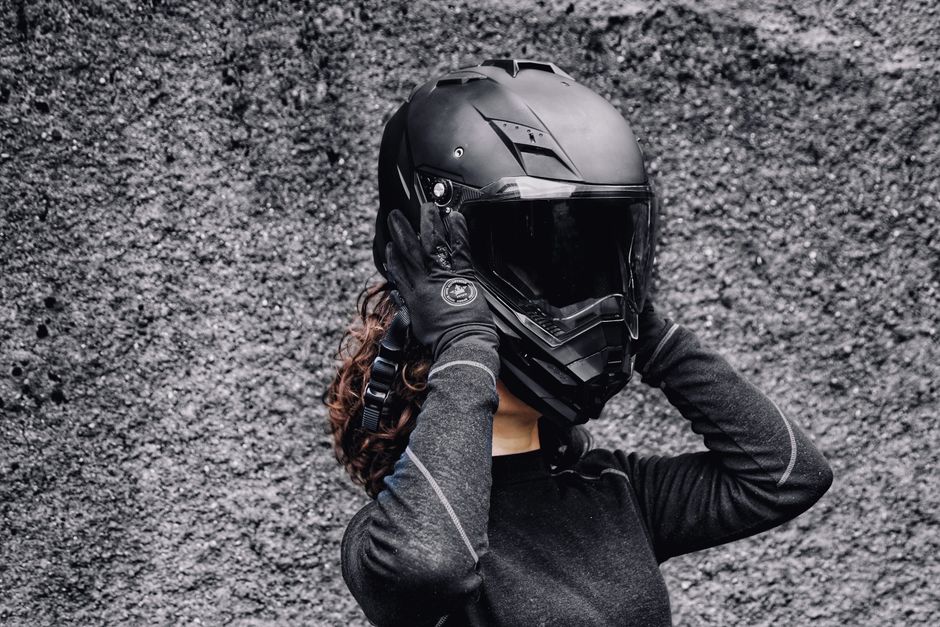
Helmet visors are another area where winter conditions demand attention. Fogging is a common issue when the rider’s breath mixes with cold air. Anti-fog inserts or treated visors help maintain clear vision. Some riders use pinlock inserts that create a double-layer barrier to prevent condensation. Heated visors are also available for certain helmet models, though they require power and additional wiring. For riders who wear glasses, prescription inserts or suitable helmet designs that accommodate eyewear can reduce frustration.
Rear lighting should not be overlooked. Modulating tail lights or additional brake lights can draw attention when slowing down or stopping. In heavy rain or snow, a bright taillight is especially important. Riders may also consider adding reflective tape to helmets, saddlebags, or the rear of the motorcycle. The cumulative effect of multiple visibility aids is a reduced chance of being overlooked by other drivers, which is a primary safety goal in low-visibility conditions.
Layering Systems and Outer Shell Selection
The concept of layering is central to cold-weather comfort both on and off the motorcycle. A well-designed layering system typically includes a base layer that wicks moisture away from the skin, an insulating mid-layer, and a protective outer shell that blocks wind and water. Base layers made from merino wool or synthetic fibers help keep the skin dry, which is essential because dampness accelerates heat loss. Cotton should generally be avoided as it retains moisture and loses insulating properties when wet.
The mid-layer can be a fleece jacket, a down vest, or a synthetic insulated garment. The choice depends on the rider’s activity level and the external temperature. A bulkier mid-layer may provide more warmth but can restrict movement. Some riders prefer dual-sport or adventure jackets that already have integrated insulation and venting options. The outer shell should be windproof and waterproof. Many motorcycle-specific jackets are constructed with laminated membranes that provide these properties while allowing some breathability. Adequate venting is still important even in winter, as overheating can lead to sweating and subsequent chilling.
For commuting, the ability to remove layers when reaching a destination is convenient. A jacket with a removable thermal liner can be adapted to indoor temperatures. Similarly, pants with zippered vents or removable liners offer flexibility. Layering is a personal process, and it often takes a few rides to find the right combination for a given temperature range. Riders should test their layering system on shorter trips before committing to longer winter rides.
Storage, Power, and Commuting Convenience
Winter commuting often requires carrying extra gear such as thermal layers, rain covers, or additional lighting. Storage solutions like tank bags, tail bags, or saddlebags can help organize these items. A tank bag with a clear map pocket can also hold a smartphone for navigation, but cold weather can drain batteries quickly. Ensuring that devices are charged or have backup power is important. Portable battery packs or USB chargers that connect to the motorcycle’s battery can keep electronics operational throughout the ride.
Heated gear often relies on battery power, which means managing battery life becomes part of the daily routine. Riders who use battery-powered gloves or vests should consider carrying spare batteries if the ride is long. Many heated garments offer multiple heat settings to balance warmth with battery duration. For those with wired systems, checking the health of the motorcycle’s charging system is advisable, as additional loads can stress the electrical system.
Finally, convenience accessories like handlebar muffs or heated seat covers can further enhance the winter riding experience. Handlebar muffs enclose the hands and grips, providing wind and moisture protection. They can be used in combination with heated grips for maximum warmth. Heated seat covers, though less common, can improve comfort during longer commutes. Each of these items serves a specific purpose, and riders should assess their own priorities—whether that is warmth, visibility, or ease of carrying gear—when building their winter accessory setup.